
Visible
The official rulebook
- HR policies and handbooks
- Performance frameworks and job descriptions
- Compliance training and value statements
- Town halls and corporate newsletters
A field guide to corporate life
Surviving and Thriving in Corporate Life
How to read the room, play the game, and get promoted — without losing your soul.

The premise
On your first day you're handed the official one. The other is never written down — but it decides who gets promoted.
Visible
Unwritten — just as real
You are not crazy. You just walked into a game with two sets of rules.
What you'll learn
Talent and hard work matter — but they're not the whole story. Very normal people become VPs and partners because they learn how power, perception and opportunity really work.
Your real job is managing perception, not just tasks. See how reputations form — and treat yours like a balance sheet.
Chapters 3 & 5Org charts show who reports to whom. Power maps show who actually decides your fate — and how to use one without becoming creepy.
Chapter 4Meetings, email and Slack are the hidden stage. Learn the spoken and written codes — even if you're introverted or awkward.
Chapters 6 & 7Credit theft, blame-shifting, gaslighting, whisper campaigns. Spot them early, build a self-defence playbook — and stay decent.
Chapter 8Mentors give advice. Sponsors bet their name on you. Learn the difference — and how to become someone worth betting on.
Chapter 9When the game speeds up, reputations are made or lost in hours. Learn to survive the storm — and read it as career data.
Chapter 10Try it: the Chapter 11 diagnostic
Be brutally honest. Rate each from 1 (terrible) to 5 (great). Nothing you enter leaves this page.
Your scores lean towards
Stay — with eyes open
Mixed signals, nothing alarming. Stay means remaining in your role and team, but changing how you play the game.
Chapter 11 turns this snapshot into a 90-day stay plan, an internal-move thought experiment, or an exit strategy sketch.
Inside the book
Part I
Part II
Part III
Part IV
Part V
Part VI
Part VII
Part VIII
Read the introduction
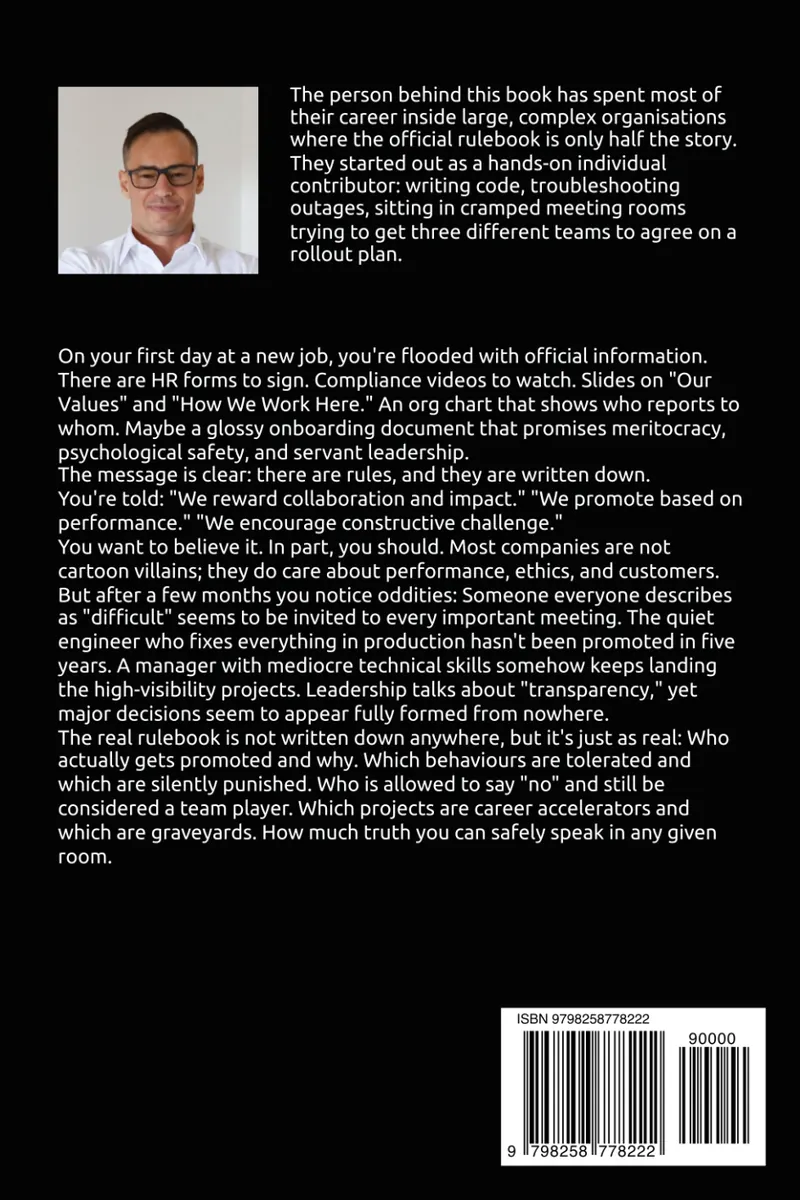
On your first day at a new job, you're flooded with official information. There are HR forms to sign. Compliance videos to watch. Slides on “Our Values” and “How We Work Here.” An org chart that shows who reports to whom. Maybe a glossy onboarding document that promises meritocracy, psychological safety, and servant leadership.
The message is clear: there are rules, and they are written down.
You're told: “We reward collaboration and impact.” “We promote based on performance.” “We encourage constructive challenge.”
You want to believe it. In part, you should. Most companies are not cartoon villains; they do care about performance, ethics, and customers.
But after a few months you notice oddities: Someone everyone describes as “difficult” seems to be invited to every important meeting. The quiet engineer who fixes everything in production hasn't been promoted in five years. A manager with mediocre technical skills somehow keeps landing the high-visibility projects. Leadership talks about “transparency,” yet major decisions seem to appear fully formed from nowhere.
That's when you begin to sense a second rulebook.
Most people feel the tension between these two rulebooks but don't have language for it. They just feel vaguely crazy.
This book is for people who don't want to choose between being naive and being toxic.
This is a field guide to: seeing the game that is already being played around you. Understanding the patterns of power, perception, and narrative inside organizations. Protecting yourself from common dirty tactics. Building a sustainable, ethical strategy for influence and advancement.
Let's open the second rulebook.
— The Hidden Ladder, Introduction
Not turning you into a player — but turning you into someone who can't be played.

Companion app · Chapter 6 in practice
Hard work makes you valuable. Great communication makes you visible. LeadPhrase is a communication coach for meetings: type, paste or dictate what you want to say, and it restructures it the way experienced leaders do — then shows you why it works.
Get your copy
Available worldwide on Amazon in three formats.
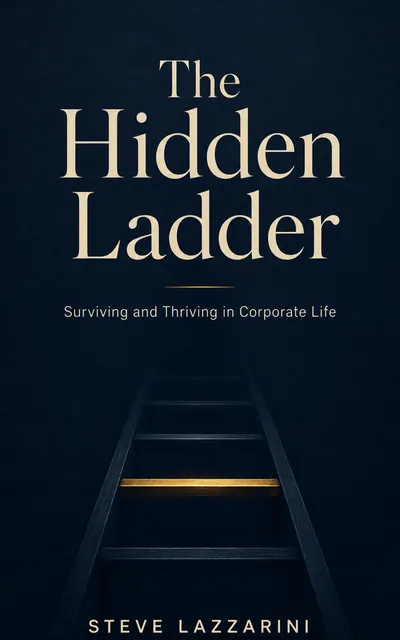
eBook · read tonight
On any Kindle, or free on phone, tablet and computer with the Kindle app.
Buy on Amazon
6 × 9 in · 214 pages
Room in the margins for the exercises. ISBN 9798258778222.
Buy on Amazon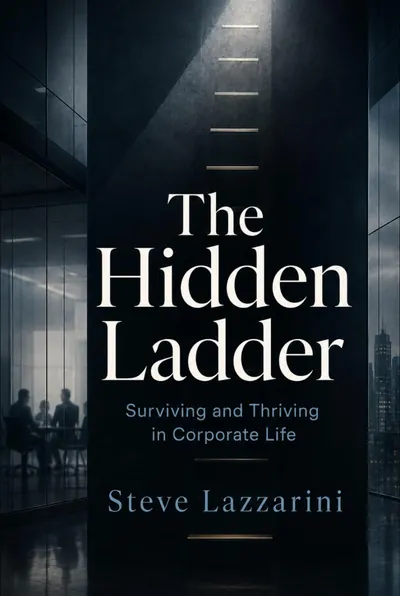
6 × 9 in · 218 pages
The keeper — or the gift for someone starting their first real job. ISBN 9798258780577.
Buy on Amazon